Why we blend with Albizia Bark
23 July 2026 · 4 min read
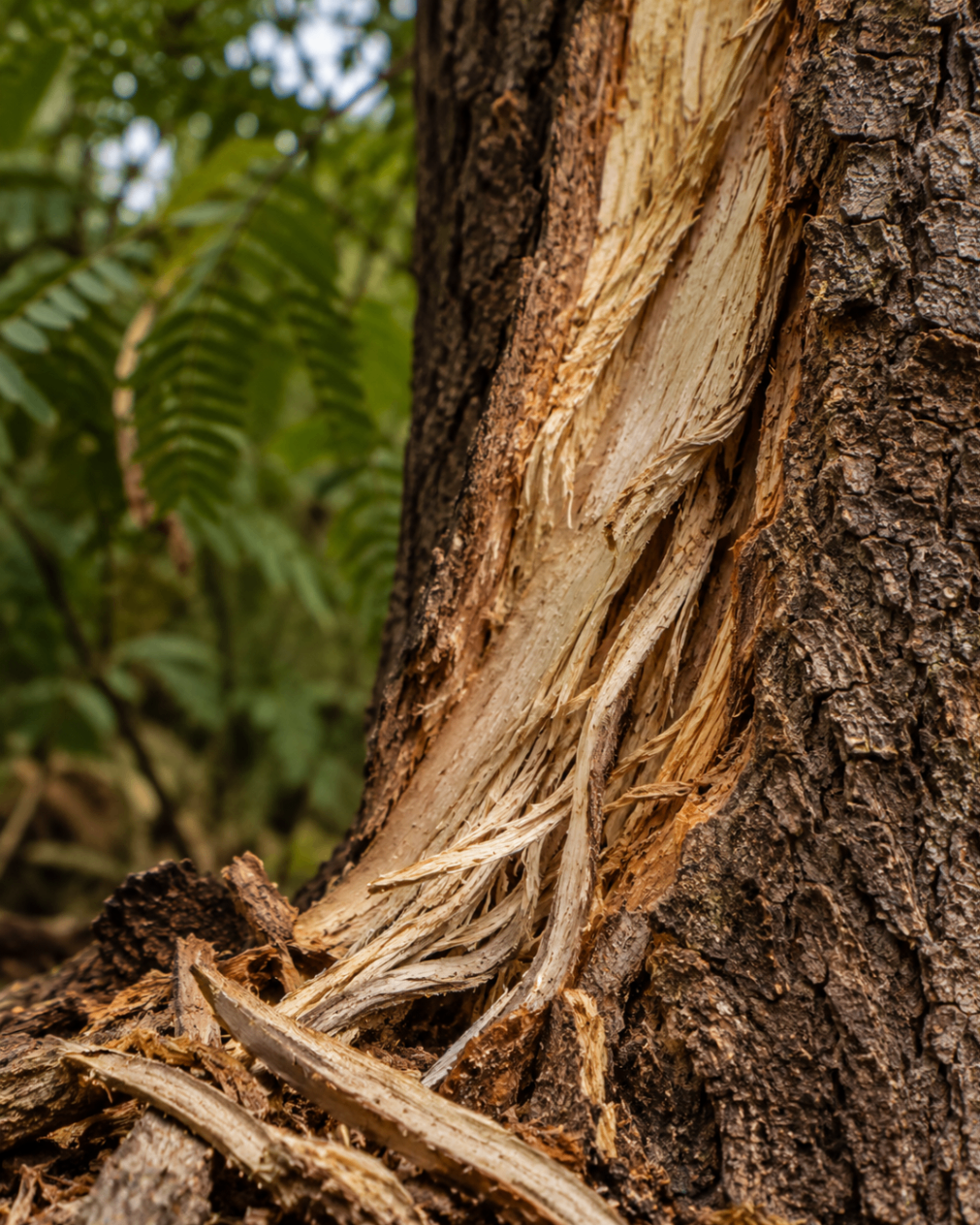
Bark of the 'tree of happiness' — a gentle mood-supporting botanical of the settled heart.
Albizia julibrissin is a graceful, feathery tree with pink flowers that seem to sit on the branches like soft brushes. It is native to central and western Asia and has been cultivated for centuries both as an ornamental and as a medicine.
Its Chinese name — He Huan Pi — translates as 'the collective happiness bark'. In the classical materia medica it is described as the herb of the joined heart: a botanical for calming the settled spirit and easing the low, quiet weight that sits under long stretches of strain.
Calming without dulling
Albizia is a subtle botanical. It is not a sedative. It does not blur the edges of the day. What it is traditionally associated with is a gentle lift — a softening of the emotional weight that sometimes accompanies long or effortful periods of life.
Why it sits in RISE
RISE is a morning ritual. The morning is not only about focus — it is about the mood you enter the day with. Albizia is the note in RISE that carries a quiet openness. It sits beneath the mushrooms and the more classical adaptogens.
How we take it
- Traditionally used to soothe the settled heart across the seasons of life.
- Calming rather than sedating — an open, unhurried quality.
- Both bark and flowers have a long history in Chinese herbalism.
- One of the quiet notes inside RISE.